
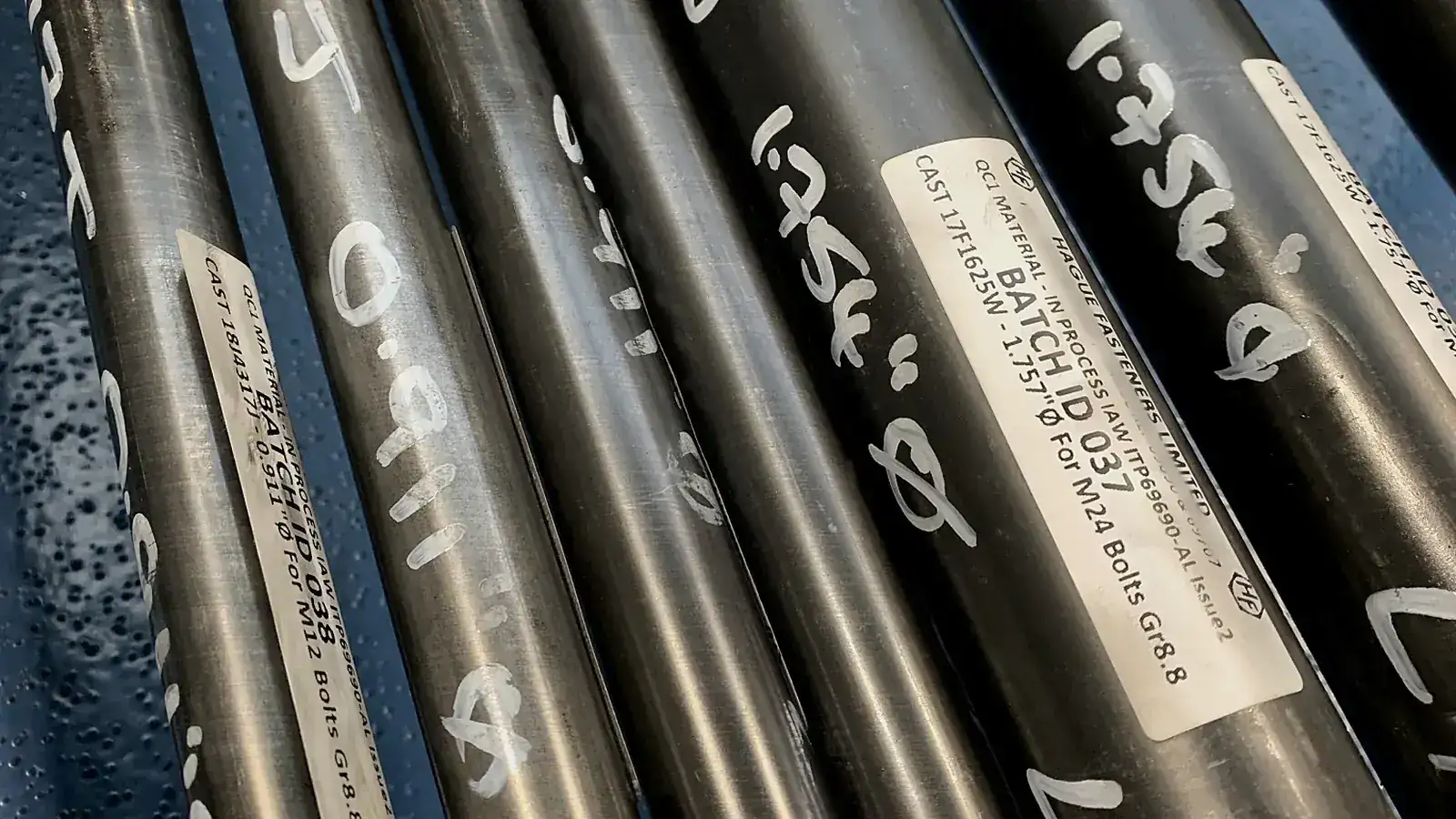
Materials
Fastener materials, from EN8 to Hastelloy
HAGUE FASTENERS makes special bolts, studs, nuts and machined parts in more than a hundred fastener materials, from carbon and alloy steels to stainless, duplex, nickel superalloys, titanium, bronzes and engineering polymers, all from certified UK, EU and US bar.
1971
Machining exotic materials for over half a century
10
Material families, each with its own grade guide
UK, EU, US
Mill origin of every bar we use
3.1 / 3.2
EN 10204 certificates with full traceability
Choosing a material
The right grade for the duty
The fastener materials we work with cover almost every service condition a bolt can face: heat, cold, seawater, acids, sour gas, high loads and the need to be non-magnetic or electrically isolating. HAGUE FASTENERS machines all of them in our own facility in Willenhall, in quantities from a single part to several hundred.
The grade always follows your specification. Where you are not sure, tell us the medium, temperature, load and standard, and we will suggest the grades worth considering, often with a lower cost or shorter lead time option alongside.
Material families
Browse by material family
Carbon and alloy steels
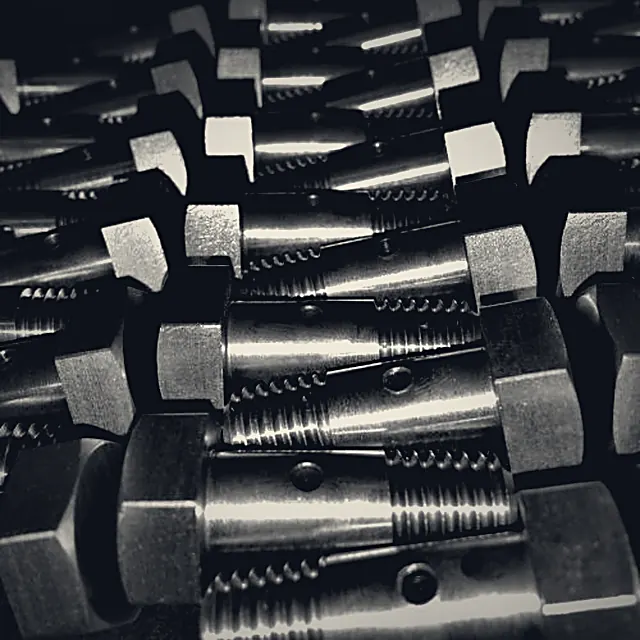
EN8 to EN26, 42CrMo4, B7, B16 and Durehete, classes 8.8 to 14.9.
Stainless steels
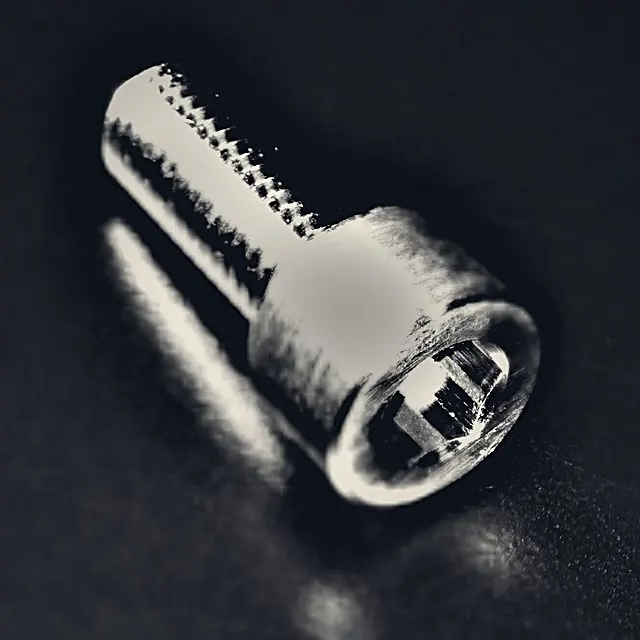
A2, A4, 304, 316, B8, B8M, 17-4PH, martensitic grades and Nitronic.
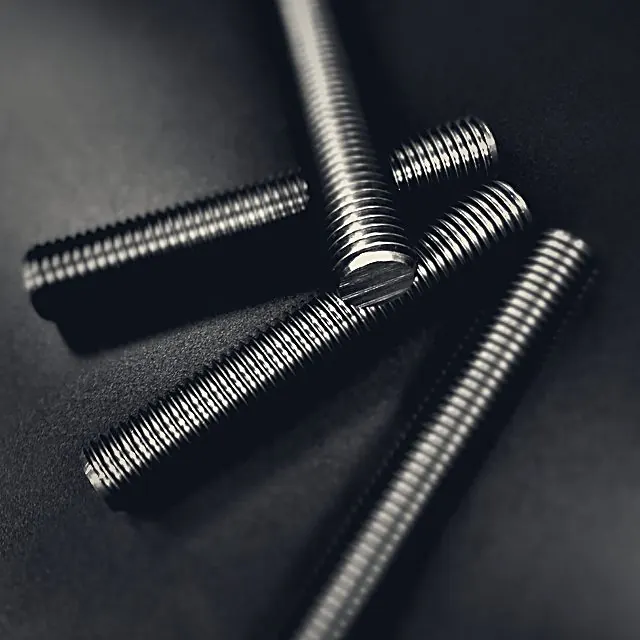
Duplex and super duplex
S31803, S32550, S32750, S32760 and 254SMO for chloride service.
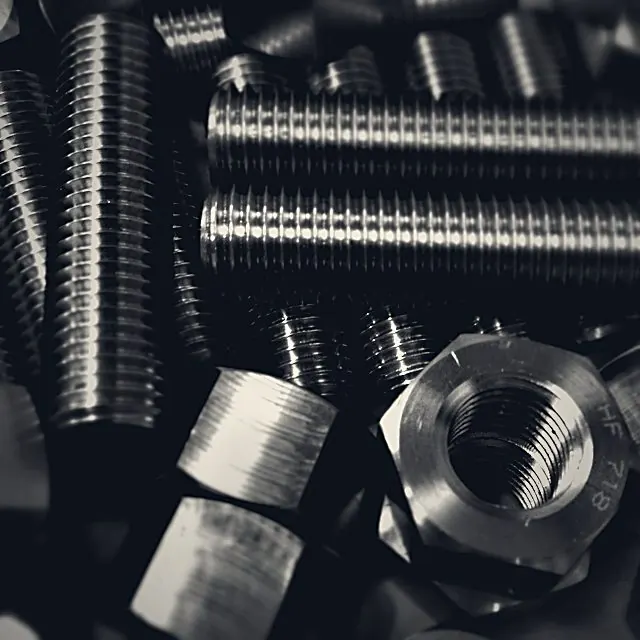
Inconel alloys
600, 601, 625, 718, 725 and X750 for heat, strength and seawater.
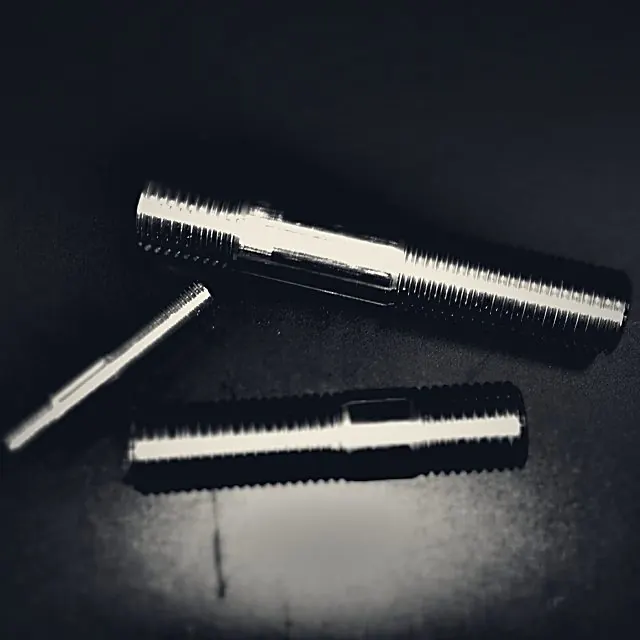
Incoloy alloys
800, 800H/HT, 825, 925, A286 and Alloy 20.
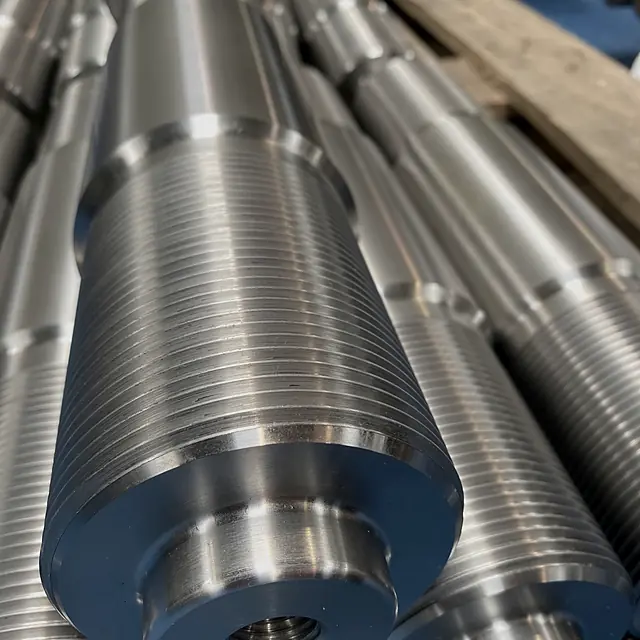
Hastelloy alloys
C276, C22, C4, B2, B3, G30 and X for aggressive chemicals.
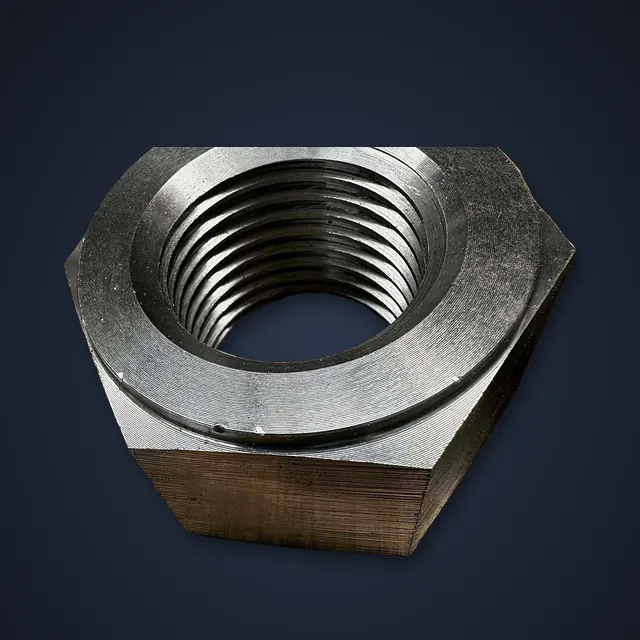
Monel alloys
400, K500 and R405 nickel-copper alloys for marine duty.
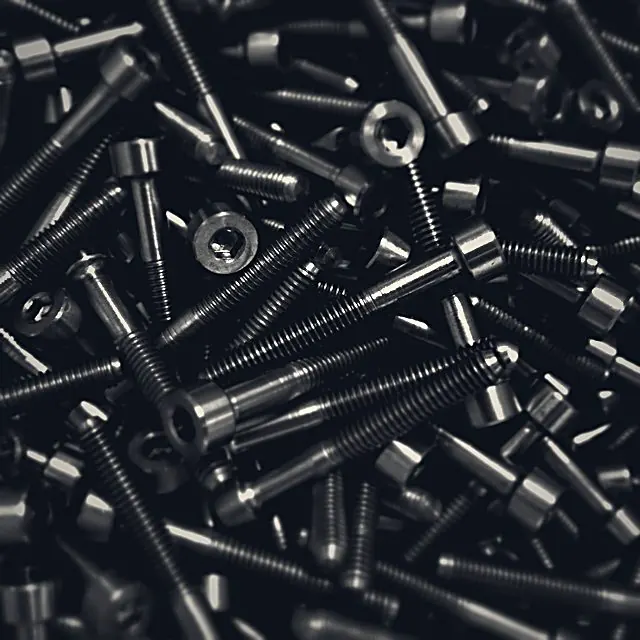
Titanium alloys
Grades 2, 5 and 7: light, strong and corrosion resistant.
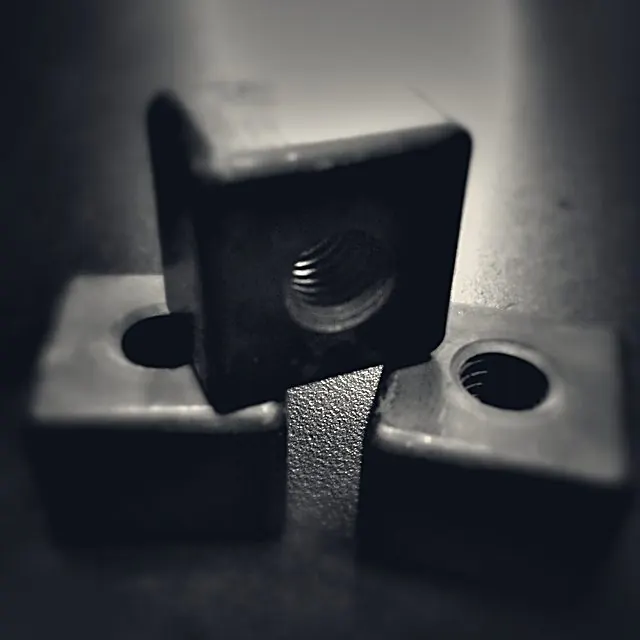
Non-ferrous alloys
Aluminium, phosphor and manganese bronzes, brass, copper and cupro nickel.
Polymers
Nylon, PTFE, acetal and other engineering plastics.
Grade summary
Grades we machine, by group
A summary of the grades we use most. Others are available on request: if the grade is on your drawing, ask us.
Carbon and alloy steels
- Mild steel
- 080M40 (EN8)
- 605M36 (EN16)
- 708M40 (EN19)
- 817M40 (EN24)
- 826M40 (EN26)
- Classes 8.8, 10.9, 12.9, 14.9
- B7, L7, B5, B16
- BS 4882 B16A
- Durehete 900, 950, 1055
- Esshete 1250
- Jethete X19
- 42CrMo4, 24CrMo5, 21CrMoV5-7
Stainless steels
- 303, 304, 316
- A2 and A4: 50, 70, 80
- 321, 310, 347
- 410, 416, 420, 431, 422
- B8, B8M, B8T, including Class 2
- B8X, B8MX, B8TX
- B8C, B6
- C3-80
- 17-4PH
- FV520B
- B50A125E
- Nitronic 50 and 60
- 904L
Superalloys and duplex
- Monel 400, K500
- Inconel 600, 601, 625, 718
- Incoloy 800, 800HT, 825
- Hastelloy B2, C4, C22, C276
- Nimonic 75, 80A, 90
- A453 660 A to D
- Duplex S31803
- Super duplex S32750, S32760
- Zeron 100, Ferralium 255
- 254SMO
- Carpenter 20
- MP35N
- Titanium alloys, tantalum
Non-ferrous and polymers
- Aluminium bronze
- Aluminium silicon bronze
- Phosphor bronze
- Manganese bronze
- Brass, naval brass
- Copper
- Cupro nickel 70/30 and 90/10
- Hiduron 191
- Marinel
- Aluminium
- Nylon
- PTFE
- Other engineering polymers
Selection guide
Material selection by service condition
Typical selections only. Corrosion, temperature and fatigue all interact, so tell us the full duty and we will confirm the grade. See also our industries pages.
| Service condition | Grades usually considered |
|---|---|
| High temperature | B16, Durehete 1055, A453 660, Nimonic 80A, Inconel 718 |
| Low temperature | L7, B8, B8M |
| Seawater and subsea | Super duplex S32750 and S32760, Inconel 625, Monel K500 |
| Chemical process | Hastelloy C276 and C22, Incoloy 825, Carpenter 20 |
| High strength | Classes 12.9 and 14.9, 17-4PH, Inconel 718, MP35N |
| Non-magnetic or electrically isolating | Austenitic stainless, bronzes, nylon and PTFE |
Sourcing and traceability
Known origin, from mill to bolt
We buy bar only from approved mills in the UK, the EU and the US. We do not use Far Eastern material or imports, and we do not use conflict minerals. Mill certificates and heat numbers are carried through every stage to release, and PMI or chemical analysis can confirm the grade on finished parts.
That matters when a standard part must be made from material of assured origin, and when an auditor asks where a bolt came from years after it was installed.
- UK, EU and US mills only, no Far Eastern material
- No conflict minerals: see our responsible sourcing policy
- Mill certificates and heat numbers to release
- PMI and chemical analysis where specified
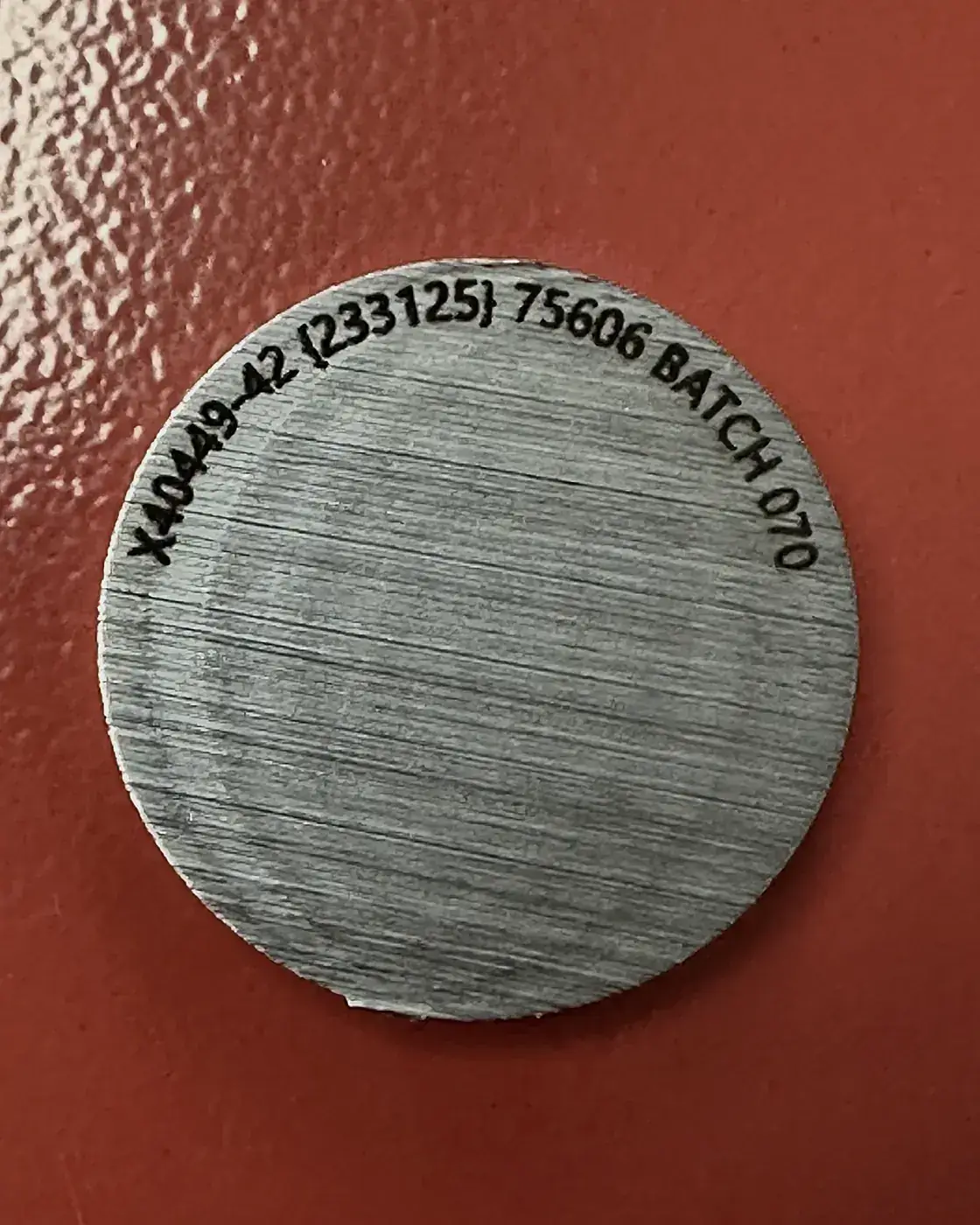
- Laser-marked heat codes or part numbers
Questions
Frequently asked questions
What is the best material for fasteners?
There is no single best material; the right one depends on the load, temperature and environment. Alloy steels such as B7 suit most high strength bolting, stainless and duplex resist corrosion, and nickel superalloys handle heat and aggressive chemicals.
Which fastener materials resist seawater?
Super duplex S32750 and S32760, Inconel 625 and Monel K500 are the usual choices for seawater and subsea service. Aluminium bronze and cupro nickel are also used in marine equipment.
Can you make fasteners in a material that is not listed?
Usually, yes. If the grade is on your drawing or specification, ask us: we machine many other alloys to order and can advise on a suitable alternative if the grade is hard to obtain.
Where does your material come from?
Only from approved mills in the UK, the EU and the US. We do not use Far Eastern material or conflict minerals, and every bar is supplied with a mill certificate and heat number.
Do you hold fastener materials in stock?
Yes. We hold considerable stocks of steel and superalloy bar, so many orders, including urgent breakdown work, can start straight away.
Useful tools
Free engineering tools
- Material equivalents finder: find the EN, UNS, ASTM, BS and JIS equivalents of a grade, such as 1.4462 or 316.
- Hardness conversion calculator: convert Rockwell, Vickers and Brinell hardness, with approximate tensile strength.
- Tensile strength converter: convert MPa, ksi, psi and UK tons per square inch.
- Galvanic corrosion checker: check the corrosion risk when joining dissimilar metals.
- Bar weight calculator: weight of round, square and hexagon bar and plate per metre and per piece.
Free to use, no sign-up. See all our engineering tools.
Not sure which grade?
Tell us the duty
Send the medium, temperature, load and specification with your drawing, and we will recommend a grade and quote quickly.